Surgeon General discusses health risks of loneliness and steps to help connect with others
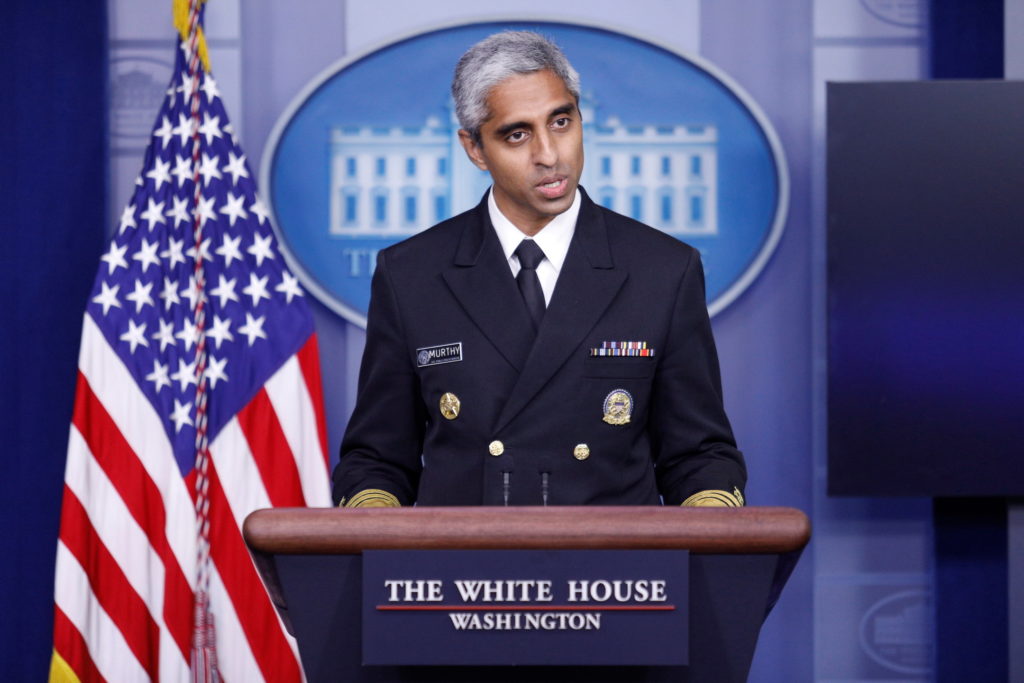
Dr. Vivek Murthy:
Well, it turns out that the choices you make about friendships are critical here, because it's not just having people around you or having relationships. It's having healthy relationships.
So, some people during the pandemic found themselves focusing more on the relationships that really sustain them. And that's a good thing. But other people found themselves paring back on all of their social interactions, and that actually can be harmful.
So, the quality piece really matters. And one of the worries I have on that, as we think about the various factors that are driving this, is, I think for too many people, especially for too many of our young people, the experience of social media has highlighted the importance of quantity of connection over quality of connection.
And we know that that's not a recipe for greater connection. But, finally, just keep in mind this. As big as this problem can seem, and as much as there is to do about it — and we lay out in the advisory I just issued today on this subject a framework for a national strategy to address loneliness.
The key is to remember there are individuals steps that we can take in our own lives today that will make a difference, just spending 15 minutes a day with people we care about, making sure that we're fully present when we're interacting with others, and we're not distracted by technology, looking for ways to help other people, neighbors and co-workers, recognizing that small acts of service can be powerful in making us feel more connected with one another.
These are the small steps that can make a big difference in how connected we feel.
ncG1vNJzZmivp6x7sa7SZ6arn1%2Bjsri%2Fx6isq2ejnby4e9KuqaCdn6N6qLHNnqmapF2ZtrSv1KyqnqtdnbKiuNOhZKuho6DAbrvFZqOoppWhtq%2Bx0qxkmqaUYsC1sc%2BsZK2nXZ2yrbyMnKanppWYwW7DyK2fZqeknbKzvw%3D%3D